
JournalAugust 24, 2026
Ideas for a Memorial Bench or Garden
A memorial bench or garden gives grief somewhere to go. Here is how families choose the place, the plants, and the words — and how to keep it living for years.
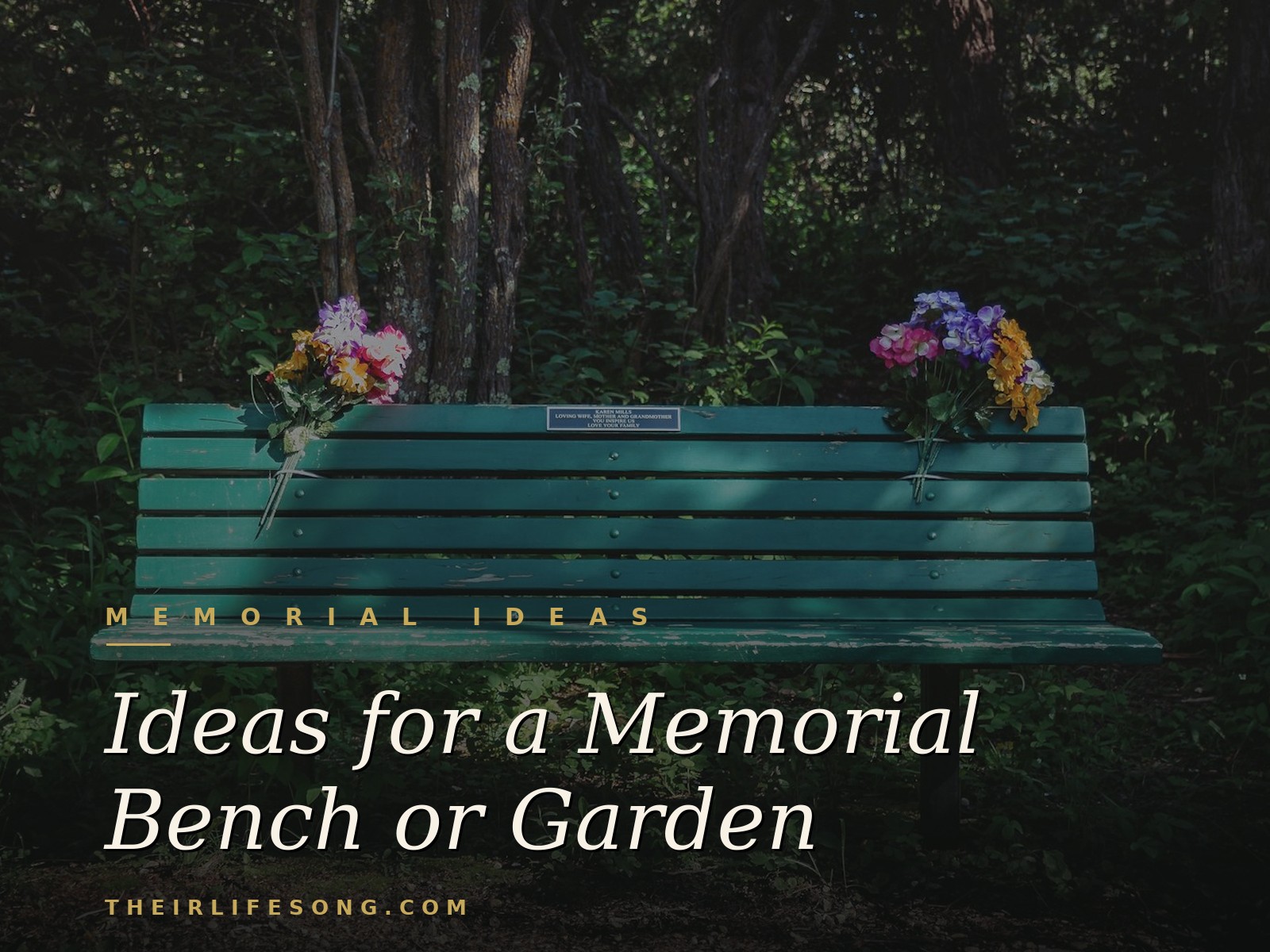
There is a particular kind of comfort in having somewhere to go. Not a formal place, necessarily, and not somewhere far away — just a spot that belongs to them, where you can sit down for ten minutes on a Tuesday and not have to explain yourself to anyone.
That is what a memorial bench or a memorial garden really offers. It is not a monument. It is a place that holds their name and lets the ordinary world keep going around it. Families often find it becomes the thing they return to most, long after the flowers from the service have gone.
If you are considering one, here are the things worth thinking about — gently, and at whatever pace suits you.
Start with the place, not the object
Before you shop for a bench or draw up a planting plan, sit with the question of where. The place matters more than the thing you put in it.
Some families choose somewhere the person genuinely loved: the corner of the park where he walked the dog every morning, the stretch of coast path she drove to whenever life got heavy, the bit of the garden that catches the last of the afternoon sun. Others choose somewhere practical — close to home, easy to reach, somewhere you will actually go rather than somewhere you mean to go.
Both are right. A bench in a beautiful spot two hours away can quietly become a source of guilt. A modest corner of your own back garden that you pass every day may serve you better.
If you are hoping to place a bench on public land — a park, a churchyard, a nature reserve, a school — contact the managing body early. Most councils, trusts, and parishes have a memorial bench scheme with its own application, cost, wording limits, and waiting list. Some spots are extremely popular and it can be a long wait. It is worth asking before your heart settles on one particular view.
Choosing plants that actually mean something
A memorial garden does not need to be large or elaborate. A single raised bed, a few pots by a doorway, or one tree can carry as much meaning as an acre.
What makes it feel like theirs is choosing plants with a reason behind them:
- The flowers they grew themselves. If she kept sweet peas every summer, plant sweet peas. The smell will do more than any inscription.
- Something that flowers at a significant time. Daffodils for a March birthday, roses for a June wedding anniversary, chrysanthemums for late autumn. The garden will mark the date for you.
- A tree for permanence. Rowan, birch, crab apple, and cherry all stay a manageable size for a domestic garden. Check the eventual spread before planting — a tree that outgrows the space becomes a problem rather than a comfort.
- Scent over show. Lavender, rosemary, honeysuckle, night-scented stock. Scent triggers memory more directly than colour does.
- Something forgiving. In the first year of grief, you may not have the energy to keep a demanding border alive. Choose plants that will survive a season of neglect without reproaching you.
Rosemary has been associated with remembrance for centuries, and forget-me-nots need very little from you and come back on their own. Neither is obligatory. The plant that matters is the one that reminds you of them.
Wording a plaque or inscription
Most bench plaques allow far fewer characters than families expect — often between 60 and 120, spaces included. That constraint is not the enemy it seems. Short inscriptions tend to be the ones that land.
A few approaches that work:
- Name, dates, and one true line. "Margaret Hale, 1946–2024. She loved this view." Plain, and it holds.
- Something they actually said. A phrase the family has heard a thousand times will make people who knew them smile before it makes them cry.
- An invitation. "Sit a while with Tom." It turns a plaque into something a stranger can accept, which is quietly generous.
- A line from a song, poem, or reading they loved. Keep it to a fragment. Whole verses rarely fit, and rarely need to.
Read your wording aloud before you commit to it. Engraving is permanent, and a phrase that looks fine written down can sound stiff when spoken.
Small touches that make it feel lived-in
A memorial place works best when it is used, not just visited. Some families add a small solar light so the spot is visible at dusk. Some tuck a weatherproof box beneath the bench with a notebook inside, so anyone who sits there can leave a few words. A bird feeder nearby brings movement and life to a corner that might otherwise feel still.
Others fix a small QR plaque to the bench or a garden marker, linking to a tribute page where family and friends can read a few words about them, look at photographs, or listen to a piece of music that belonged to them. It is a discreet way for the place to hold more than an inscription ever could — and for people who cannot make the journey to still feel included.
Caring for it over the years
Grief changes shape, and so will your relationship with this place. In the first year, tending it may be the only thing that feels useful. Later on, you may visit less — and that is not a failure of love.
Plan for that from the beginning. Choose a bench material suited to the weather where you live: hardwood weathers well but needs occasional oiling, recycled plastic and metal need almost nothing. Ask whether the memorial scheme includes maintenance, and how long the placement lasts — many run for a fixed term of ten or twenty years, with an option to renew. Knowing this now spares you a difficult surprise later.
And let other people help. Sharing the watering, the pruning, or the annual clean is often how a memorial place becomes a family's shared habit rather than one person's private duty.
When you want the place to hold their voice too
A bench holds a name. A garden holds a season. What families often find themselves wanting alongside those is something that holds the person — the way they talked, what made them laugh, the small details that only the people who loved them would know.
That is the thinking behind a custom memorial song. At Their Life Song, families share the stories and details that made someone who they were, and receive an original song built from them, along with a private tribute page and a QR code that can sit quietly on a bench plaque or a garden marker. It is not a replacement for the place you have made. It is something to listen to while you sit there.
Whatever form yours takes, the value is the same: somewhere to go, with their name on it, that keeps existing on the days you cannot.