
JournalJuly 15, 2026
How to Support a Grieving Friend
When someone you love is grieving, it's hard to know what to do. Here are honest, gentle ways to show up — in the first hard days and in the long, quiet months that follow.
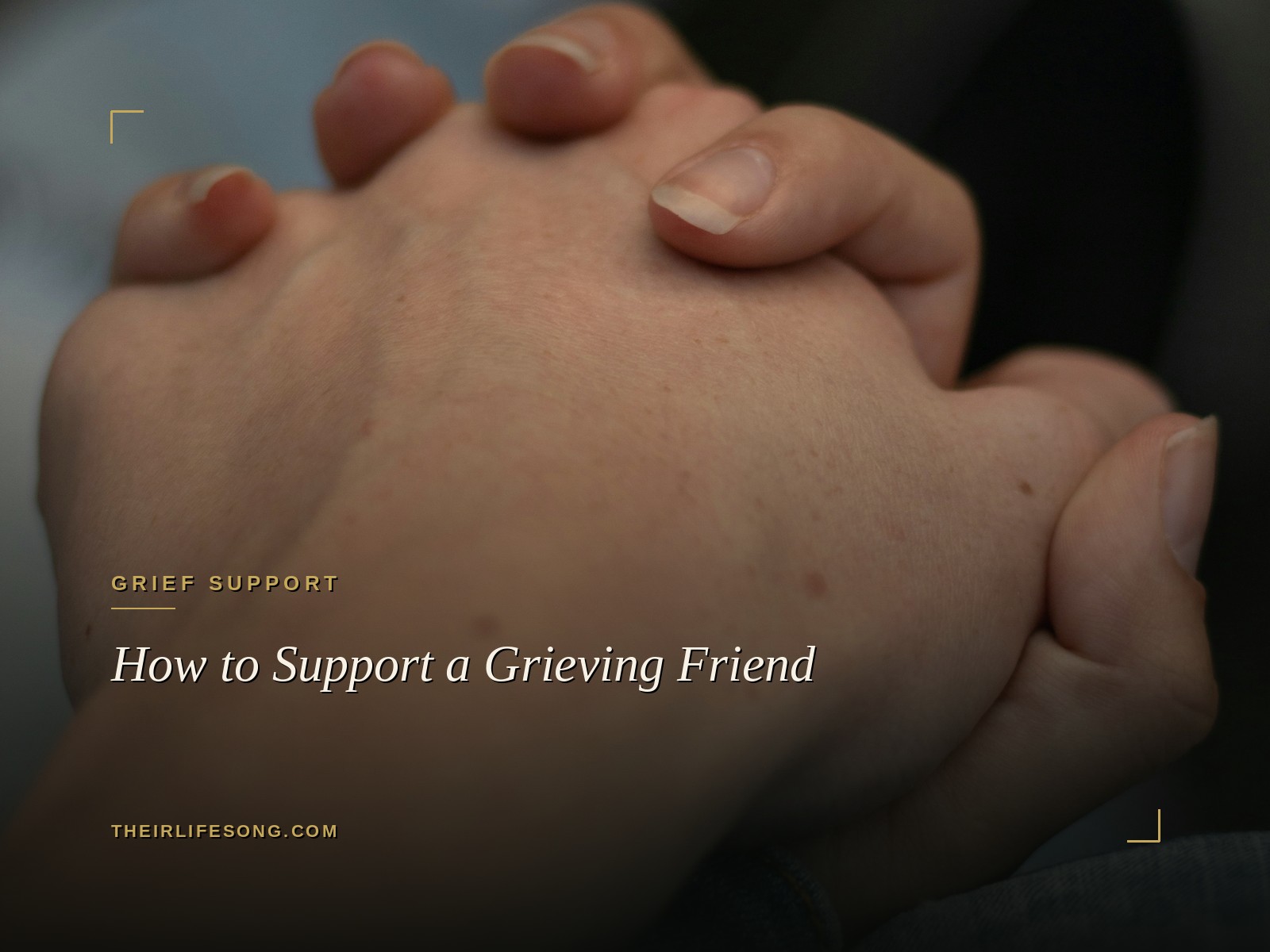
When someone you care about loses a person they love, it's natural to feel unsure of what to do. You want to help, but you're afraid of saying the wrong thing, of intruding, or of somehow making the pain worse. That worry is a sign that you care. The good news is that supporting a grieving friend rarely requires the perfect words. Most of the time, it simply asks you to keep showing up.
Show up, even when you don't know what to say
The most common reason people pull back from a grieving friend is fear of saying something wrong. But silence and distance often hurt more than an imperfect sentence ever could. Your friend is not expecting you to fix anything — they mostly need to know they are not alone. A short message like "I'm thinking of you today and I'm here" is enough. You don't have to have answers. You just have to be present.
Say less, and mean it
In the early days, grief is raw and disorienting. This is not the time for advice, silver linings, or explanations about why things happen. Phrases meant to comfort — "they're in a better place," "everything happens for a reason," "at least they lived a long life" — can land as dismissive, even when they come from love. It's often kinder to simply say, "I'm so sorry. I loved them too," or "This is so hard, and I'm here with you." Naming the person who died, and speaking about them warmly, is one of the most comforting things you can do.
Offer specific help, not "let me know if you need anything"
Grieving people rarely have the energy to delegate, and "let me know if you need anything" quietly puts the work back on them. Instead, offer something concrete. Drop off a meal on Tuesday. Take the kids to the park for an afternoon. Offer to answer the door and greet guests, run a load of laundry, walk the dog, or handle a few phone calls. Small, tangible acts carry more comfort than the most heartfelt open-ended offer. When you can, just do the thing, gently, rather than asking them to decide.
Remember that grief doesn't end after the funeral
In the first week, a grieving person is often surrounded by casseroles, cards, and visitors. Then the crowd goes home, and the quiet sets in. That's frequently when the loss feels heaviest and support thins out. Mark your calendar to check in a few weeks later, and again a few months after that. Birthdays, anniversaries, and holidays can be especially tender. A simple "I'm remembering your mom with you today" on a hard date tells your friend that the person they lost still matters — and so do they.
Let them talk about the person they lost
Many people avoid mentioning the one who died, worried they'll cause fresh pain. But most grieving people long to hear their loved one's name and to know they haven't been forgotten. Invite the stories. Ask, "What's a memory of him that makes you smile?" or "Tell me about her." Be willing to sit with tears without rushing to make them stop. Letting your friend feel their grief, without trying to move them past it, is a quiet and powerful gift.
Take care of yourself, too
Walking alongside someone in grief can be heavy, especially if you loved the person as well. It's okay to feel your own sorrow, and it's okay to have limits. You don't have to carry everything or be available every hour. Steady, honest support over the long haul matters more than trying to do it all at once. Lean on your own people when you need to, so you can keep showing up for your friend.
Small ways to help them remember
As the weeks pass, many grieving people find comfort in gentle ways to hold onto their loved one's memory — a photo book, a playlist of songs that person loved, a small ritual on meaningful days. If it feels right, you might help your friend gather favorite photos, or create something lasting together. At Their Life Song, families sometimes turn cherished memories into a custom tribute song and an automatic photo slideshow — a warm way to keep a loved one's story close. Whether it's something like that or simply a shared afternoon looking through old pictures, what matters most is that your friend feels accompanied.
The heart of it
You will not grieve for your friend, and you can't take their pain away. What you can do is stay — through the awkward silences, the hard anniversaries, and the long ordinary days when the world has moved on and they haven't. Keep calling. Keep remembering. Keep showing up. That faithful, unhurried presence is, in the end, the truest comfort you have to offer.
Related reading
- Memorial Poem Ideas That Capture Who They Were
- Angelversary Gifts and Rituals: How to Honor the Day
- How to Plan a Celebration of Life on a Budget
- Grief After Losing a Spouse: What No One Tells You
- How to Help a Grieving Child Understand Death
- How to Write a Thank-You Note After a Funeral
- Songs About Losing a Friend
- What to Write in a Sympathy Card: Words That Actually Help